
Craft & origin
Mining & Gem Cutting of Ceylon Sapphire
Sri Lanka — historically Ceylon — remains one of the world’s great sources of fine sapphire. Here is how stones move from gem gravel to finished brilliance.
Faceted Ceylon blue sapphireThe gem island
Why Sri Lanka matters for sapphire
For centuries, Sri Lanka has yielded cornflower and royal blues, pinks, yellows, and rare colour-change sapphires from alluvial gravels — rivers and ancient stream beds that concentrated heavy gem minerals. Origin is not a marketing slogan here: it is geology, history, and skilled labour.
At Ceylon Gems London we work with this tradition in mind — evaluating crystal, colour, and cutting potential with respect for the stone's journey from pit to pavilion.
Browse sapphires →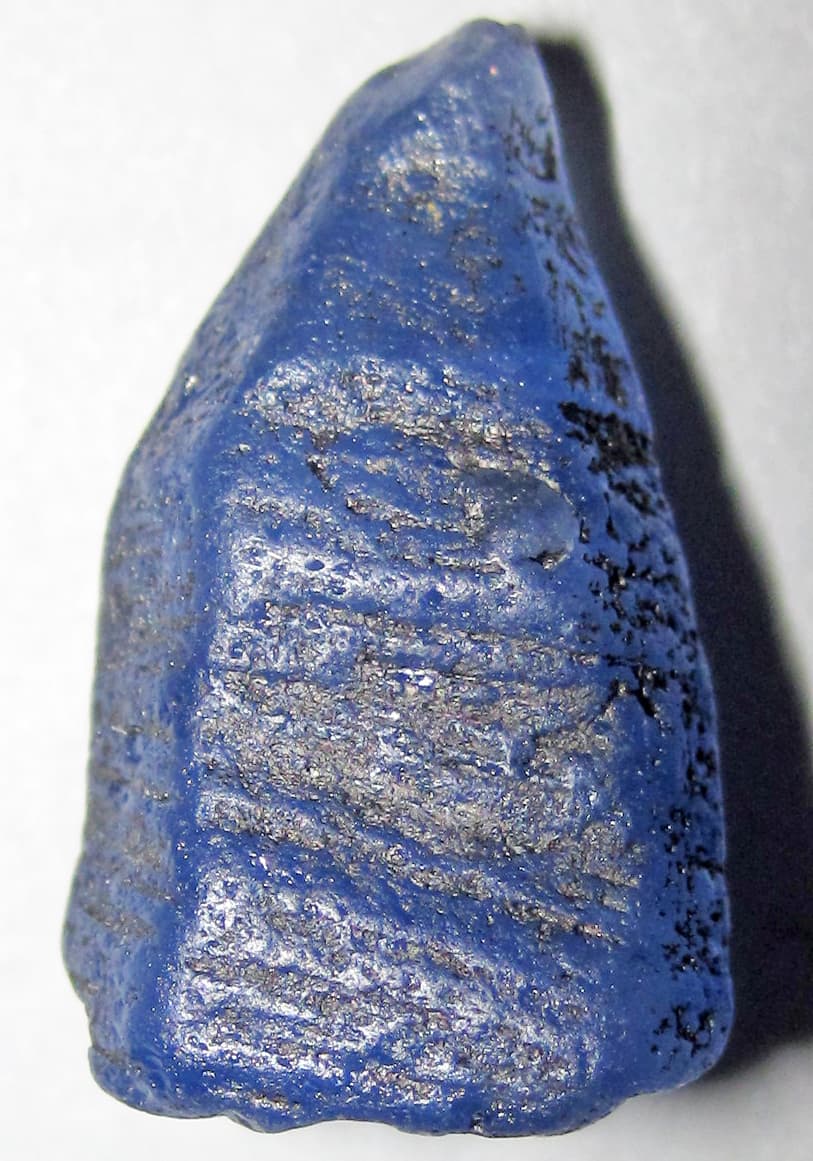
Mining
From gem gravel pits to rough crystal
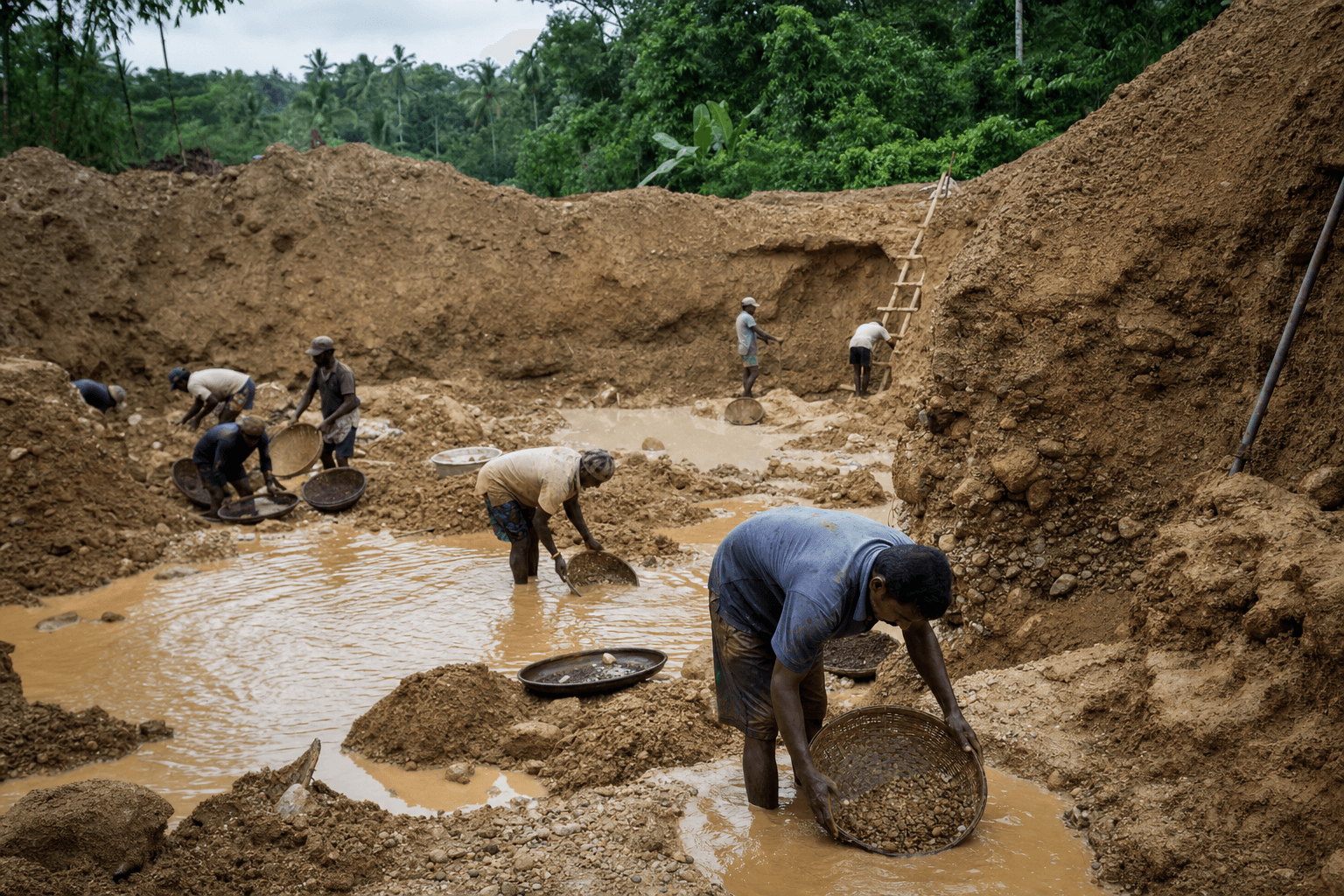
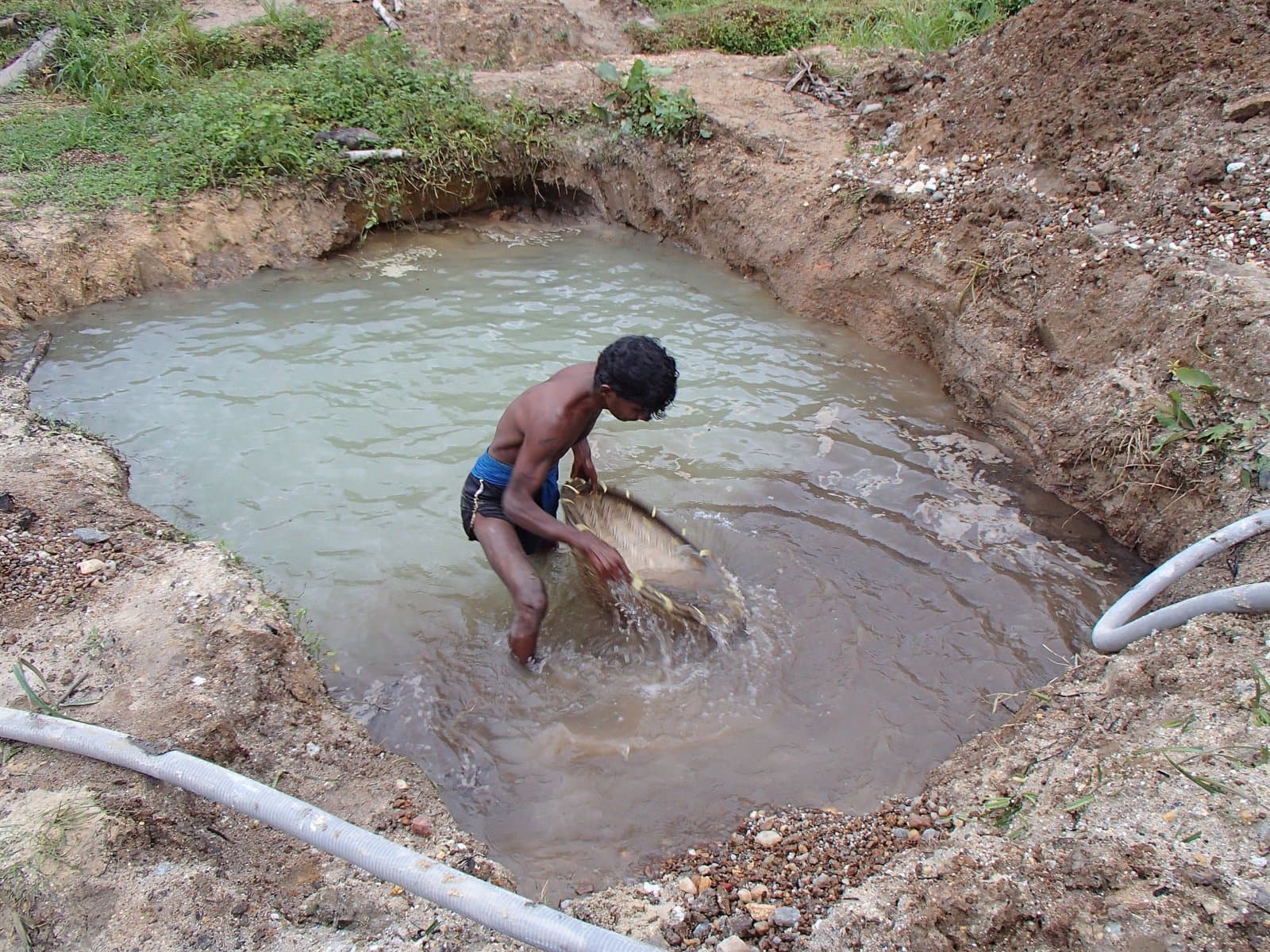
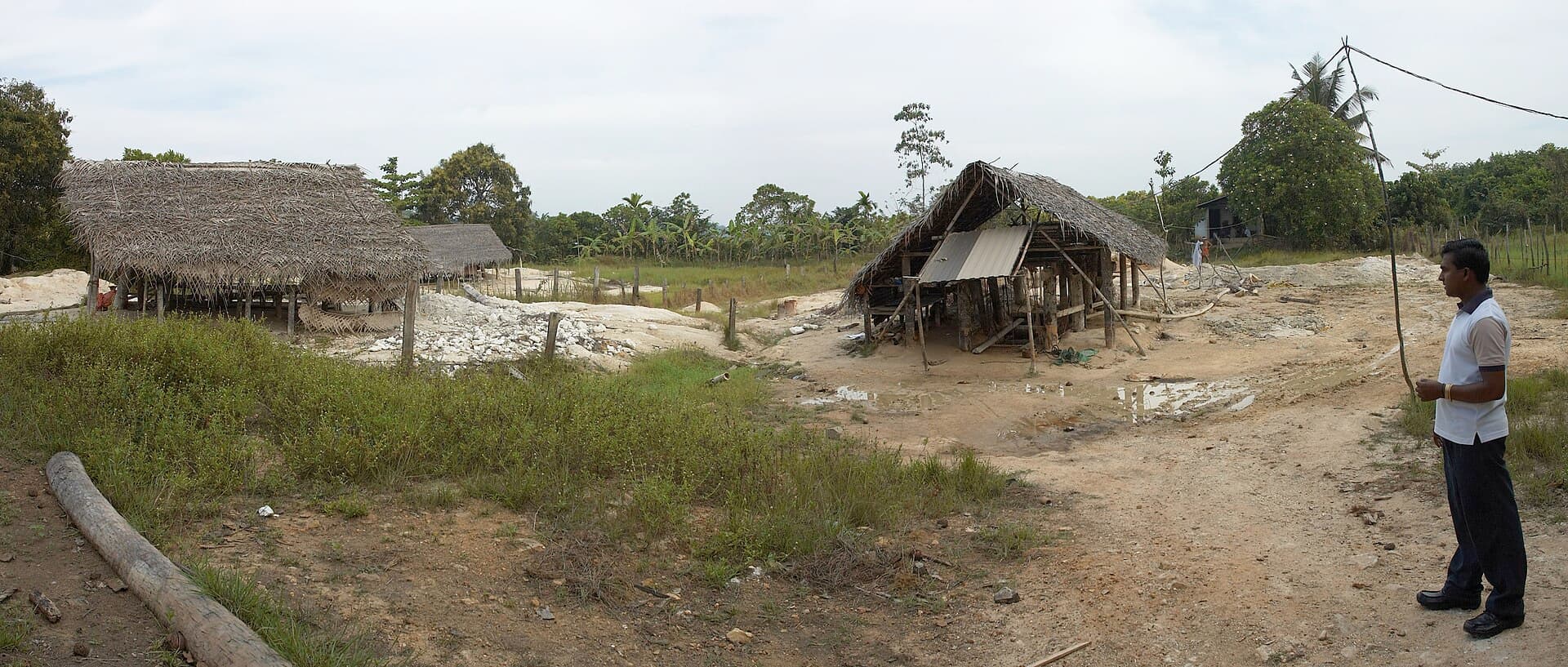
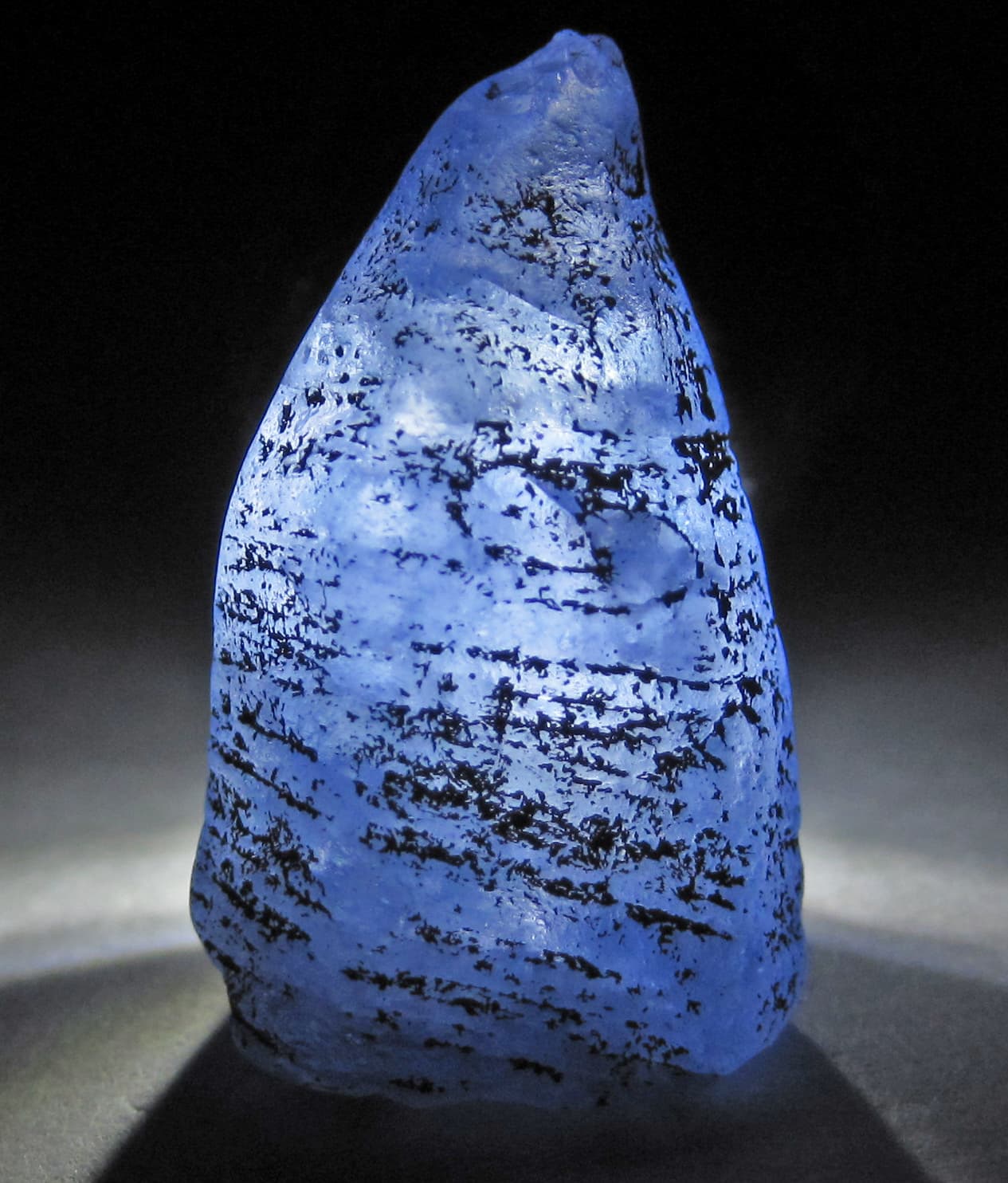
Much of Sri Lanka’s sapphire comes from traditional small-scale mining — hand-dug pits, washing, and careful sorting rather than mass industrial open pits.
Sorting the rough
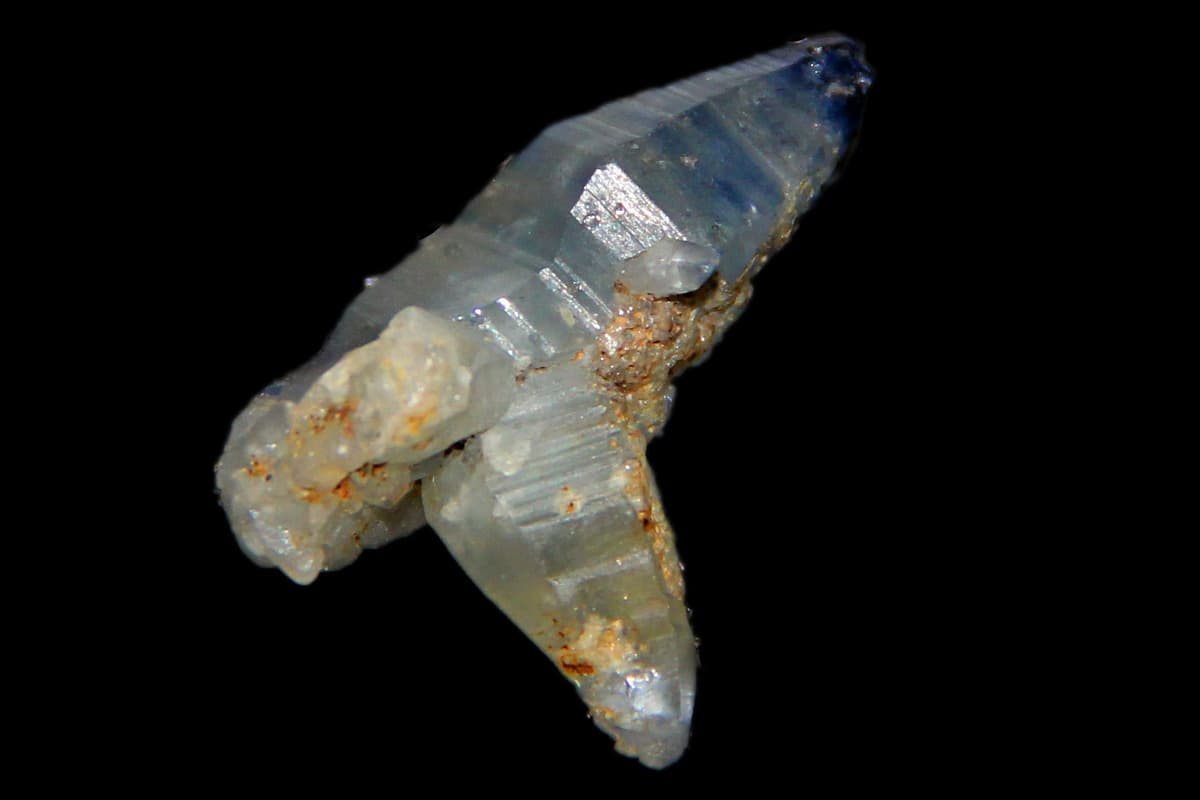
After washing, rough is sorted by hand for colour, size, and crystal quality. Only a fraction of what comes from the pit will ever become a finished fine sapphire. Twin crystals, silks, and colour zones all influence whether a piece is cut, heat-treated, or left aside.
Transparent, well-coloured rough from Sri Lanka is prized for its potential to yield lively blues with good brightness — especially when cut with respect for the crystal’s optical axis.
Gem cutting
From rough to radiance
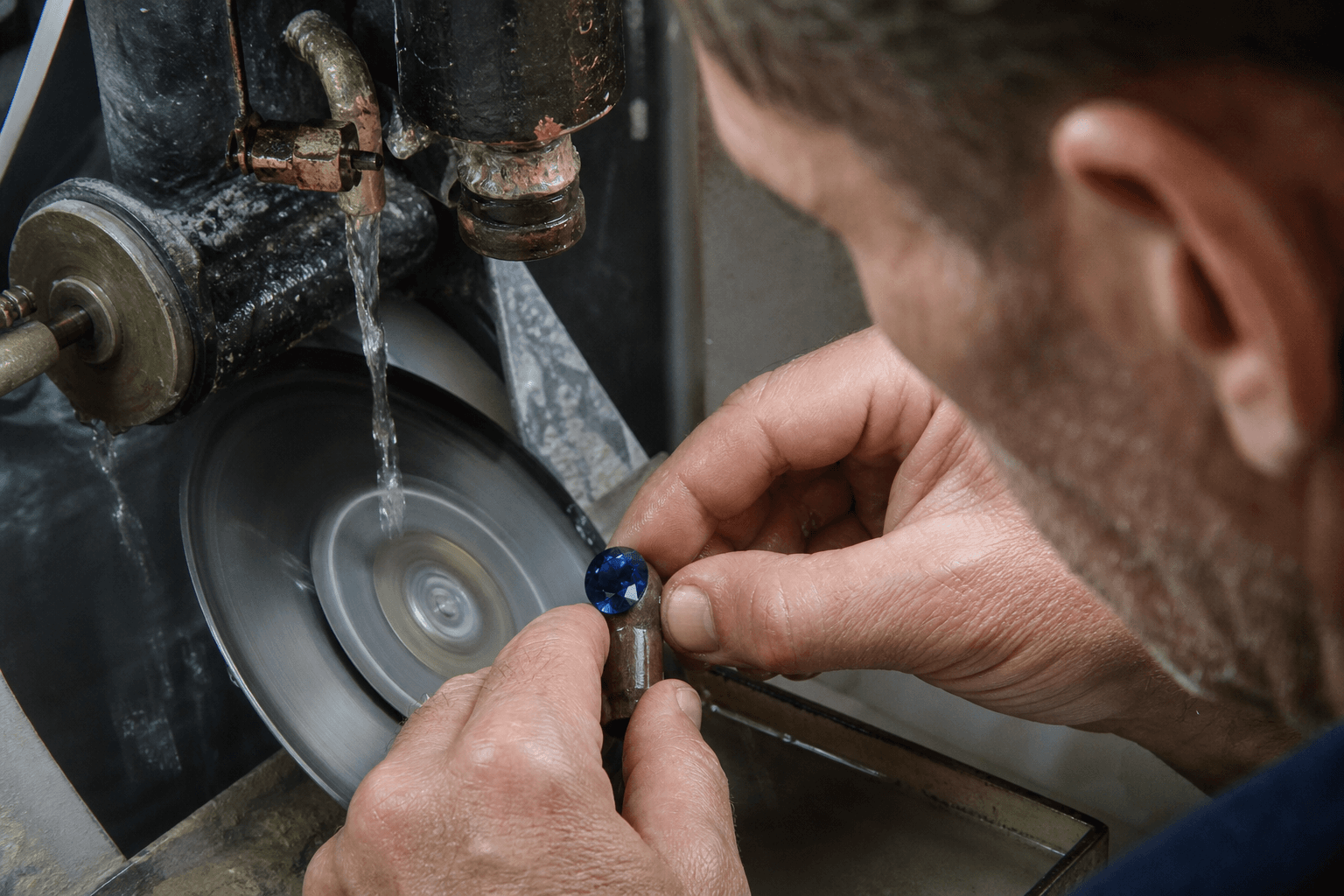
Cutting begins with planning: how to orient the crystal for the richest colour and maximum usable weight. Sapphires are typically faceted on a cutting wheel, then polished until pavilion and crown reflect light cleanly.
A good cut preserves windowing control, colour saturation, and appeal — which is why two stones of similar carat weight can look dramatically different. We select finished gems and rough with that craftsmanship in mind.
- Preform — shaping the outline and depth
- Faceting — angle by angle for brilliance
- Polish — final lustre on table and facets
- Inspection — colour, windowing, and finish under light
Finished stones
Sapphire after the cut
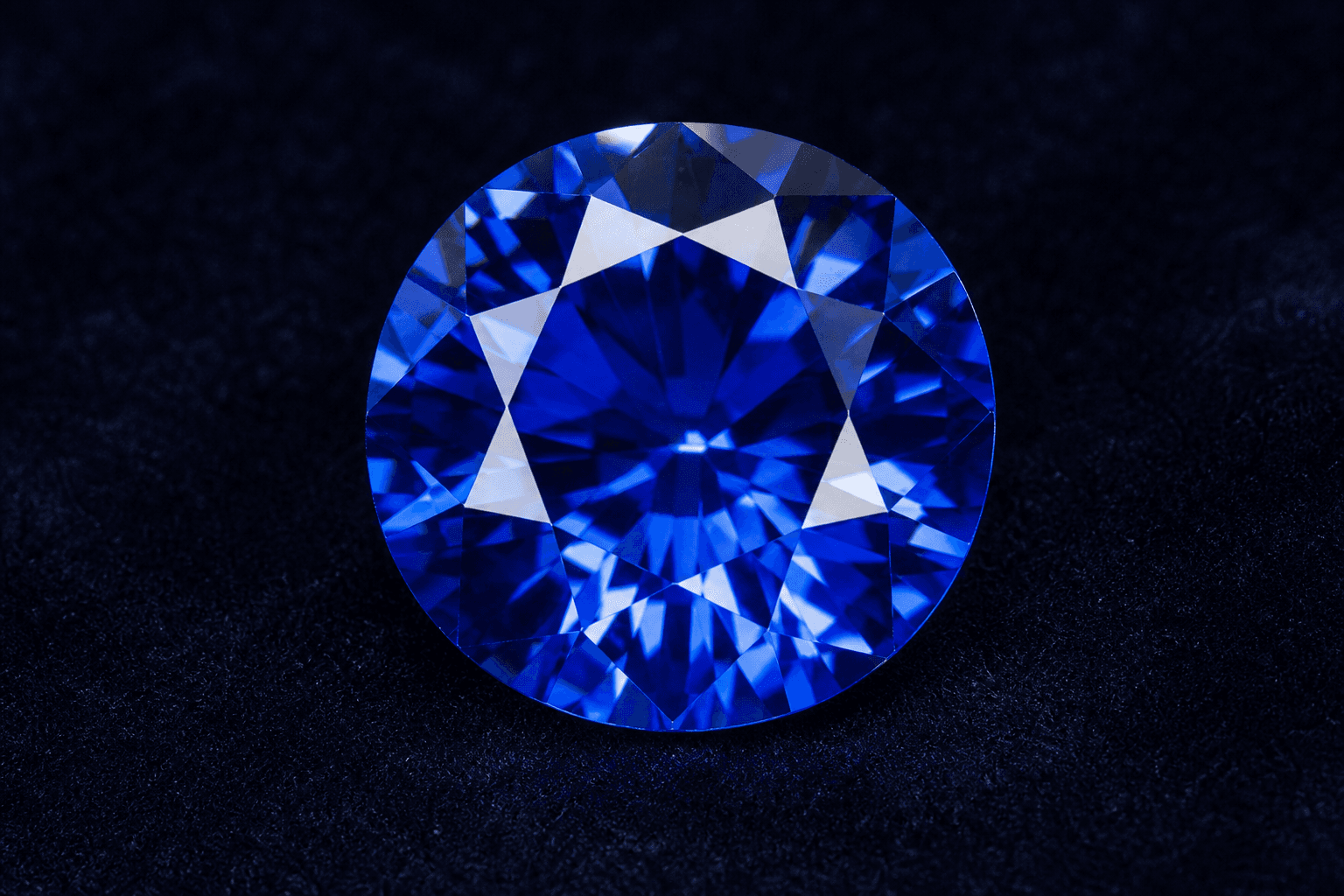
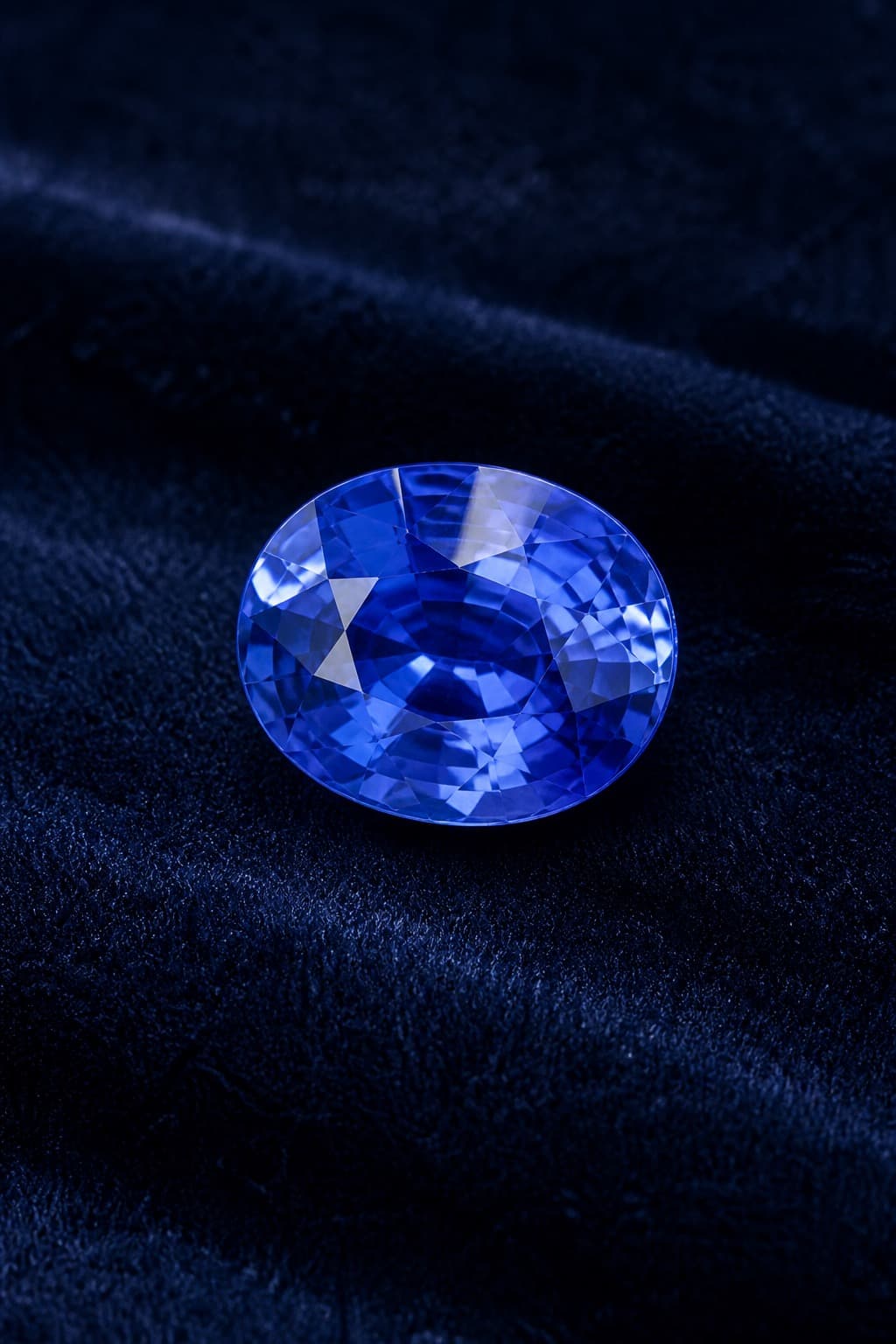
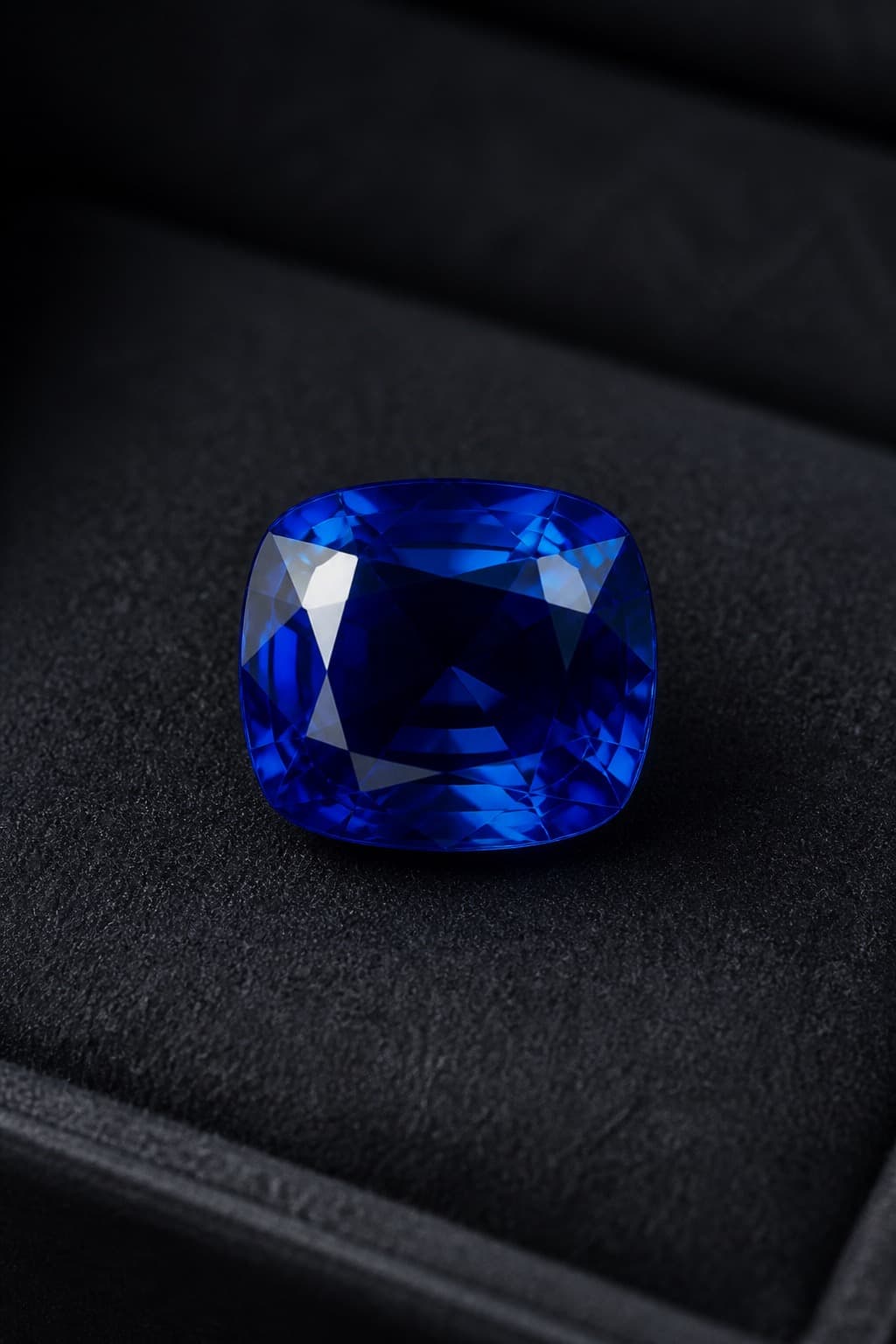
Polished Ceylon and coloured sapphires — the result of mining, selection, and careful cutting.
See Ceylon sapphires in person
Explore our sapphire selection online, or book a private viewing at the London Diamond Bourse, Hatton Garden.